
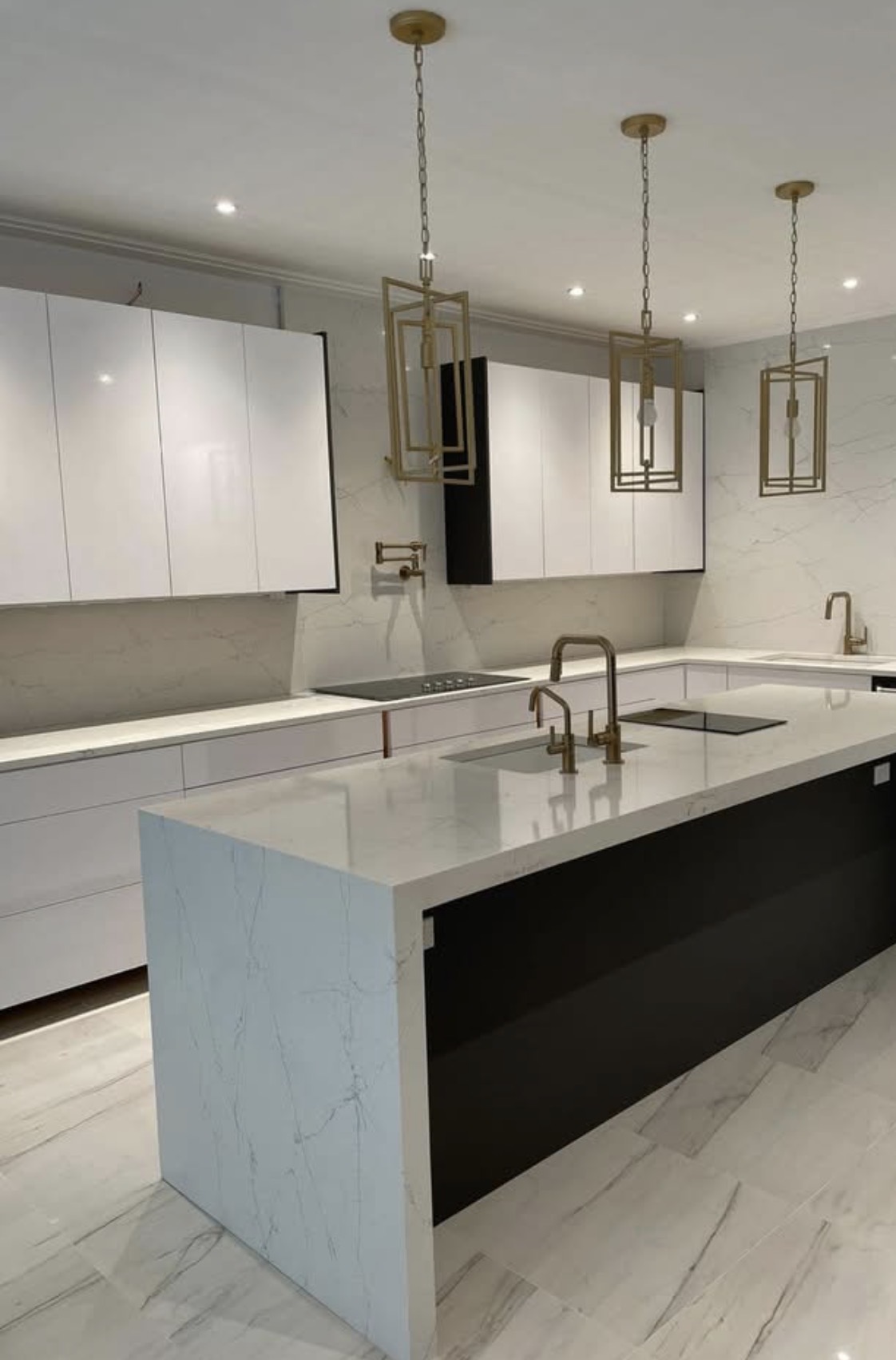

The best part of a countertop project is seeing how one careful material choice can pull an entire room together. Here is how to think through porcelain kitchen island with waterfall ends deal new jersey without being distracted by a showroom sample alone.
The Deal design question is not just which stone looks luxurious; it is what you want the eye to notice first. Check sun exposure, second-home cleaning routines and contrasts with light cabinetry or brass details.
A waterfall uses additional slab material and more complex edge work; ask for a complete elevation sketch before pricing it. For an island, note where people stand, prep, gather and charge devices before finalizing the surface footprint.
What to know about porcelain for this project
Large-format porcelain slabs can create clean, continuous surfaces with marble-look, concrete-look or understated mineral designs.
Depending on its product rating, porcelain may suit sun-exposed areas and large wall applications as well as kitchen counters. What to keep in mind: Edges and cutouts need fabricators experienced with porcelain. Chips, support requirements, and manufacturer instructions deserve special attention.
Make the waterfall edge look intentional
A convincing waterfall visually continues the countertop over the island end. Ask how the veins will align across the turn, whether a mitered joint is appropriate, and how cabinet panels, toe kicks and seating will meet the stone. Slab layout should be agreed upon before cutting.
Color pairing: use undertones, not names
Two surfaces both sold as “white” can look completely different beside warm oak, cool painted cabinets or brass hardware. The best choice considers undertones, pattern scale, floor color and available daylight. If you are choosing a named stone, ask to see the particular lot rather than assuming all slabs look alike.
Understand the actual project sequence
A typical path is an initial conversation, material exploration, site verification and template, fabrication planning, shop work and installation. The order can shift with cabinet readiness or material availability. At each handoff, ask what must be completed before the next stage begins.
Three steps to a better estimate
- 1Show the real room
Text a photo of the kitchen, island, vanity or fireplace together with your ZIP code and a few ideas.
- 2Compare materials thoughtfully
Review a porcelain reference and at least one alternative against the cabinet, lighting and maintenance plan.
- 3Confirm the build details
Discuss dimensions, seams, edges, sinks, support, material availability and installation with the project team.
A clearer picture before the first cut
With SurfaceHQ, start by sharing photos and inspiration with Stephen. We can use design references, simple visual concept boards, measurements for planning and material comparisons to explore a direction together. That makes the estimate conversation more productive and gives the fabrication team a clearer brief.
Vein-matching mockup: Try a simple side-by-side visualization of the slab and proposed island ends. It is a planning aid; the final cut and vein alignment need shop approval.
Digital concepts are for planning—not a guarantee of color, slab availability or exact dimensions. Final pricing and fabrication require a confirmed material and professional site measurements.
What would you love to see?
Tap a palette to explore a starting point for your design conversation. These are style ideas—not previews of an actual installed slab.
Think creamy natural stone, soft oak and brushed warm-metal details.
Everyday care and the final check
Use a nonabrasive cleaner and follow the manufacturer’s handling and edge-care guidance. For a Deal project, review the finish under the actual room lighting and make sure any special details—seams, sink cutouts, backsplash returns, edge supports and removal of existing countertops—are included in the agreed scope.
One useful question for the design team: Ask who handles delivery access, protective floor covering, old-top removal, sealing guidance and post-installation cleanup.
Questions homeowners ask
What should I check first for porcelain kitchen island with waterfall ends deal new jersey?
A waterfall uses additional slab material and more complex edge work; ask for a complete elevation sketch before pricing it. For an island, note where people stand, prep, gather and charge devices before finalizing the surface footprint. A photograph of the slab with the proposed cut positions marked can prevent a disappointing vein transition.
Does a waterfall island always need a mitered edge?
No. Mitering is common for a continuous visual effect, but slab thickness, material, detailing and installer recommendations determine the best joint.
How long does countertop installation take?
The on-site installation may be much shorter than the overall project. Material availability, templating, shop workload and site readiness determine the full schedule.
What should I send to start a porcelain design consultation in Deal?
Send a photo of your space, your preferred look, any approximate dimensions you have and the best way to reach you. We can discuss options before the final template or product selection.
Love the idea? Let's make it practical.
Send a photo, describe the style you want, and we can talk through the next step. You do not have to have the perfect material picked out yet.
Related Deal countertop guides
Browse all Deal guides → · Explore porcelain services and materials →
Material images are representative style examples, not a live inventory. Completed project photography illustrates craftsmanship, not necessarily the exact stone discussed. Product suitability, pricing, availability and installation details must be verified for your project.