
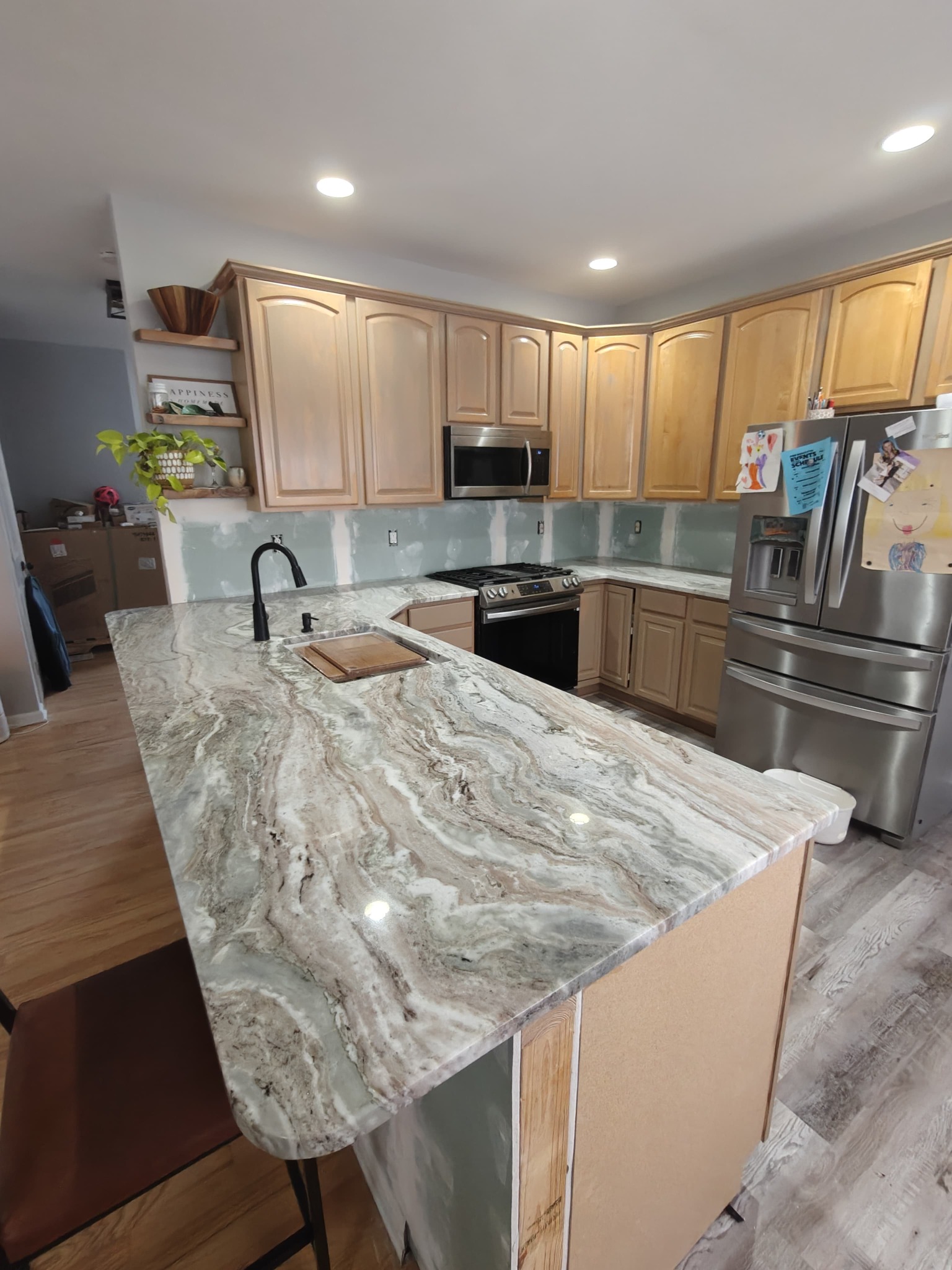
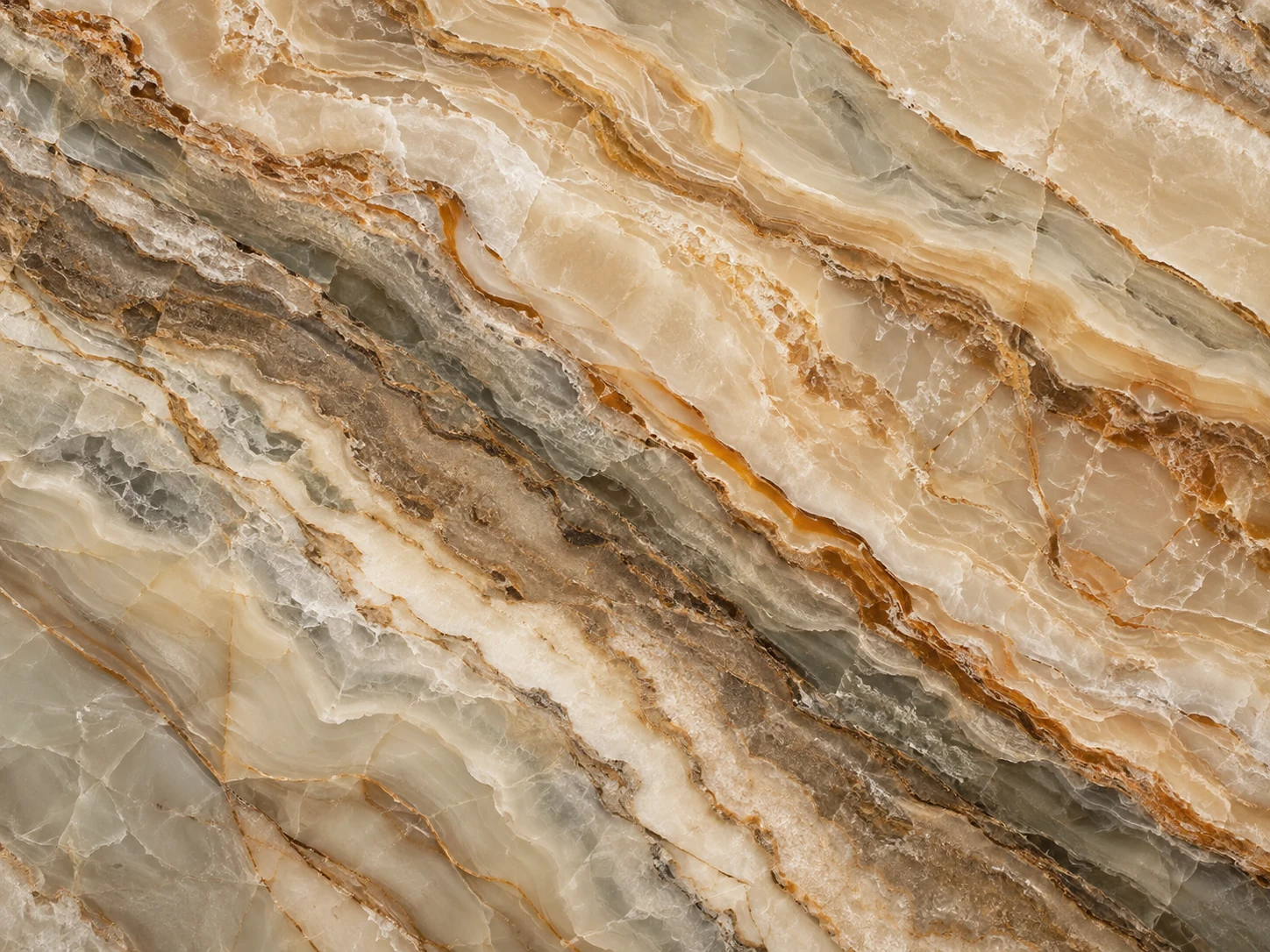
If you are gathering ideas for natural stone fireplace surrounds for deal oceanfront houses, start with a few useful checkpoints. They will help turn browsing into a realistic material plan.
If your project is in Deal, it pays to sketch the walking path around the island before deciding its edges. For shore-area homes, think about how often the kitchen is used, whether the surface will face direct sun and how easy it will be to clean after guests. The actual room exposure matters more than a coastal label.
For fireplaces, verify clearances and heat ratings with the fireplace manufacturer and local installer; not every stone assembly is appropriate at the same distances.
What to know about natural stone for this project
Soapstone, limestone, travertine, onyx and other natural stones create distinctive looks, but their hardness, porosity and care requirements differ substantially.
The right stone can give a fireplace, bar, bath or kitchen a character that factory-repeat patterns cannot match. What to keep in mind: Do not apply granite or quartzite maintenance assumptions to every natural stone. Ask about acid sensitivity, water absorption, finishes and structural suitability.
Treat the vertical surface as architecture
When stone continues up a wall, pattern direction becomes a major design decision. Plan outlet positions, range-hood alignment, shelf brackets, cabinet clearance and how edges terminate at open walls. An ordinary four-inch backsplash and a full-height slab backsplash have very different visual and budget effects.
Choose for how the space will actually be used
A frequently rented or seasonal home may favor surfaces with a straightforward cleaning routine, while an owner-occupied showpiece may justify a more delicate feature stone. Consider who will maintain the surface, how often the home is occupied and whether windows expose the tops to prolonged sun.
Care is specific to the chosen surface
Ask about the material’s cleaning instructions before you approve the finish. A natural stone may need sealing or special stain precautions, marble may etch, engineered quartz needs heat care, and a porcelain edge may require extra chip awareness. The brand and slab information matter more than a blanket rule.
Three steps to a better estimate
- 1Show the real room
Text a photo of the kitchen, island, vanity or fireplace together with your ZIP code and a few ideas.
- 2Compare materials thoughtfully
Review a natural stone reference and at least one alternative against the cabinet, lighting and maintenance plan.
- 3Confirm the build details
Discuss dimensions, seams, edges, sinks, support, material availability and installation with the project team.
A clearer picture before the first cut
With SurfaceHQ, start by sharing photos and inspiration with Stephen. We can use design references, simple visual concept boards, measurements for planning and material comparisons to explore a direction together. That makes the estimate conversation more productive and gives the fabrication team a clearer brief.
Design direction board: Collect a kitchen photo, two inspiration images and a rough layout. We can use that information to compare stone styles, clarify the estimate and plan the next steps.
Digital concepts are for planning—not a guarantee of color, slab availability or exact dimensions. Final pricing and fabrication require a confirmed material and professional site measurements.
What would you love to see?
Tap a palette to explore a starting point for your design conversation. These are style ideas—not previews of an actual installed slab.
Think creamy natural stone, soft oak and brushed warm-metal details.
Everyday care and the final check
Use stone-specific cleaning products, confirm sealing requirements and protect softer surfaces from abrasion. For a Deal project, review the finish under the actual room lighting and make sure any special details—seams, sink cutouts, backsplash returns, edge supports and removal of existing countertops—are included in the agreed scope.
One useful question for the design team: Write down your real priorities—appearance, cleanup, repairs, exterior exposure and cost—then choose the material that best satisfies the top two.
Questions homeowners ask
What should I check first for natural stone fireplace surrounds for deal oceanfront houses?
For fireplaces, verify clearances and heat ratings with the fireplace manufacturer and local installer; not every stone assembly is appropriate at the same distances. Before templating, mark outlets, switches and planned fixtures on a room photo and verify their locations with the design team.
Should the backsplash match the countertop?
Matching can create calm continuity; a contrasting splash adds a deliberate focal point. The strongest option depends on pattern density and the rest of the room.
Does living near the water change countertop selection?
Coastal location alone does not define a stone’s performance. Direct UV, exterior use, maintenance routines and the exact product specifications are more useful questions.
What should I send to start a natural stone design consultation in Deal?
Send a photo of your space, your preferred look, any approximate dimensions you have and the best way to reach you. We can discuss options before the final template or product selection.
Love the idea? Let's make it practical.
Send a photo, describe the style you want, and we can talk through the next step. You do not have to have the perfect material picked out yet.
Related Deal countertop guides
Browse all Deal guides → · Explore natural stone services and materials →
Material images are representative style examples, not a live inventory. Completed project photography illustrates craftsmanship, not necessarily the exact stone discussed. Product suitability, pricing, availability and installation details must be verified for your project.